Wood Deck Installation Virginia Beach
Expand your outdoor living area with a traditional wood deck.
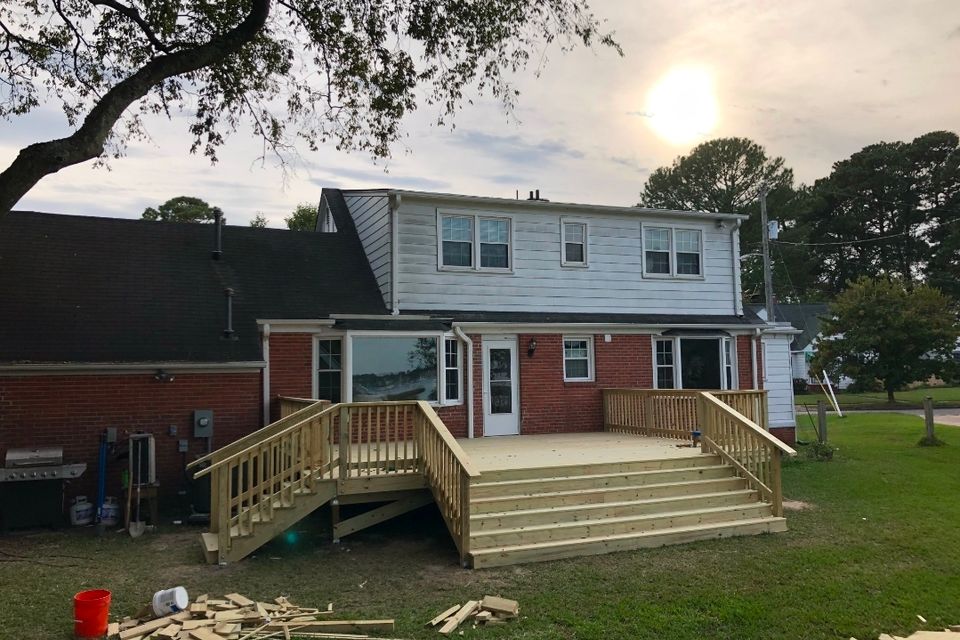
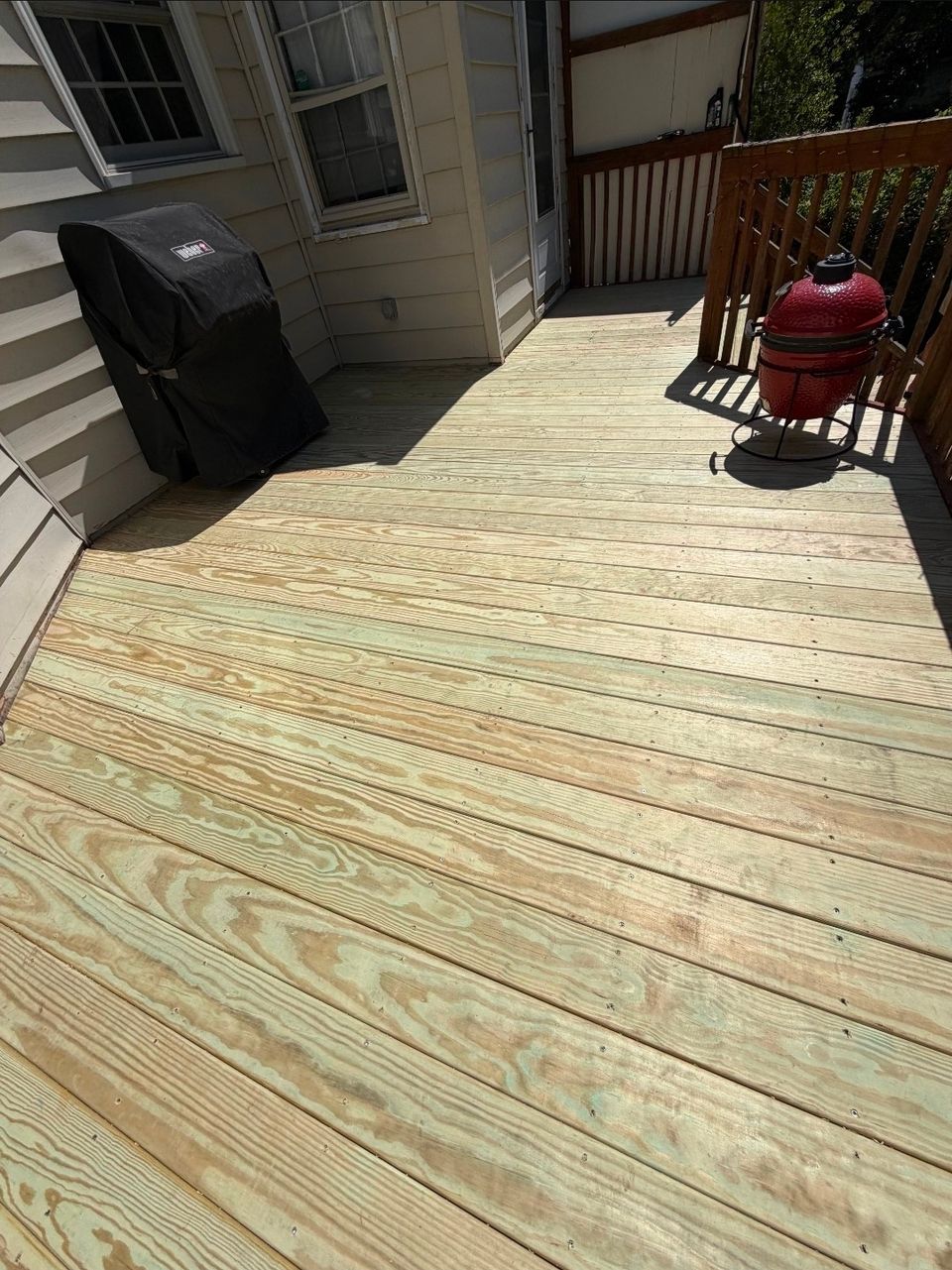
The installation process begins by digging deep footer holes, pouring concrete bases, and setting vertical support posts. Builders then construct the structural frame using heavy-duty beams and floor joists, lay down individual wood surface planks with secure fasteners, and install required safety stairs and perimeter guardrail systems.
Outdoor residential platforms are most frequently constructed using pressure-treated pine lumber. This specific material is saturated with protective chemical stabilizers that shield the raw wood fibers from premature decay, rot, and tunneling insects, making it a very reliable, cost-effective choice for direct exposure to regular outdoor moisture.
A new wood structure needs time to dry completely before applying any topical coatings. Property owners should wait several weeks or months, depending on local weather conditions, for the internal wood moisture to evaporate, allowing the protective exterior water sealant or colored timber stain to absorb deeply into the wood grain.
To keep timber platforms stable and looking fresh, owners should wash the surface annually to clear away dirt, mold, and mildew. Applying a new protective coat of clear water sealer or semi-transparent wood stain every two to three years helps prevent natural surface splintering, cracking, and sun fading.
Natural warping, twisting, and cupping happen when wood boards absorb moisture from rainfall and then dry out unevenly under intense summer heat. Professional installation techniques, like proper board orientation and secure structural fastening, minimize this natural movement, while regular chemical sealing shields the lumber fibers from drastic moisture changes.