Composite Deck Installation Virginia Beach
Upgrade your backyard with a durable, low-maintenance composite entertainment deck.
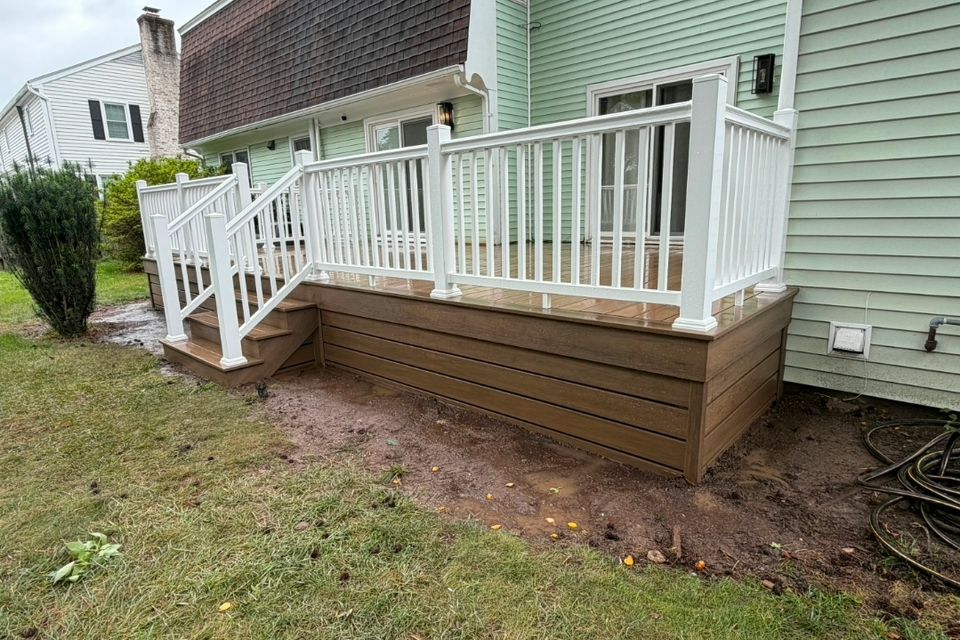
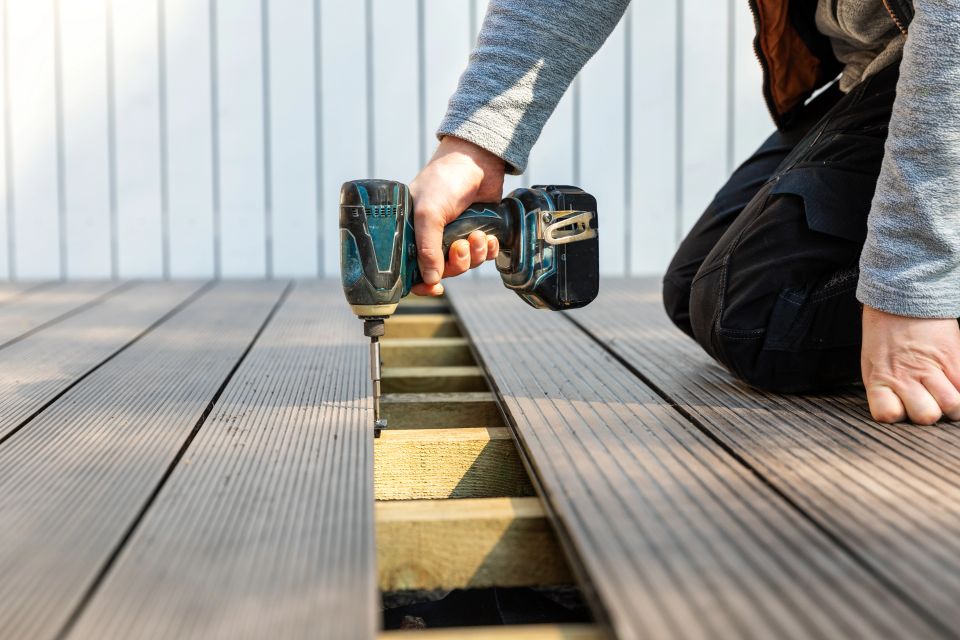
The installation process begins with structural excavation, pouring concrete footings, and erecting a heavy-duty treated wood frame. Builders then secure the engineered composite floor planks using hidden fastening clips, build matching stair systems, and install custom perimeter guardrails to ensure a clean, level, and highly durable outdoor platform.
Composite decking requires significantly less maintenance than traditional wood alternatives. The synthetic outer shell completely eliminates the need for seasonal sanding, scraping, painting, or staining. Homeowners typically only need to perform a basic wash with mild household soap and water to clear away normal surface dust.
Like any dense outdoor building surface, composite materials absorb heat when exposed to direct summer sunlight. Modern engineered planks are manufactured to shed heat more effectively than older options, though selecting lighter color shades is a practical way to keep the walking surface more comfortable during high temperature weather.
The premium boards used in modern installations feature a protective, non-porous outer cap that naturally resists liquid penetration. Common backyard spills like grease, barbecue sauce, or red wine can be wiped away easily with a damp rag, preventing permanent discoloration if washed off within a reasonable timeframe.
Traditional wood decking is more cost-effective upfront but demands continuous maintenance and can warp, crack, or splinter over time. Composite decking utilizes a mix of recycled wood fibers and tough plastics, creating a structurally consistent, weather-resistant platform that stays smooth and uniform through years of direct moisture exposure.