Shed Installation Virginia Beach
Clear your garage and protect your tools with a secure backyard shed.
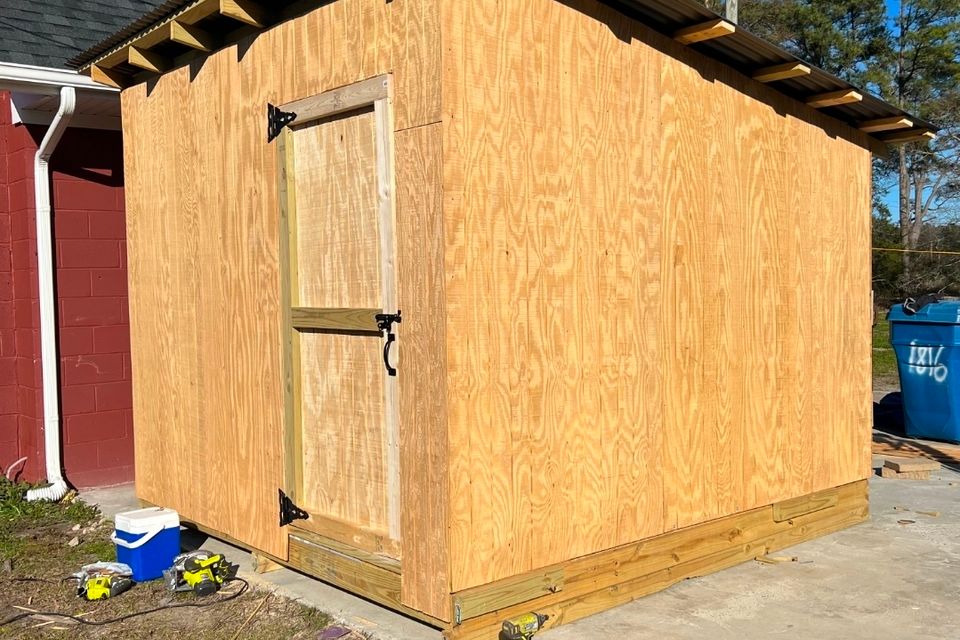
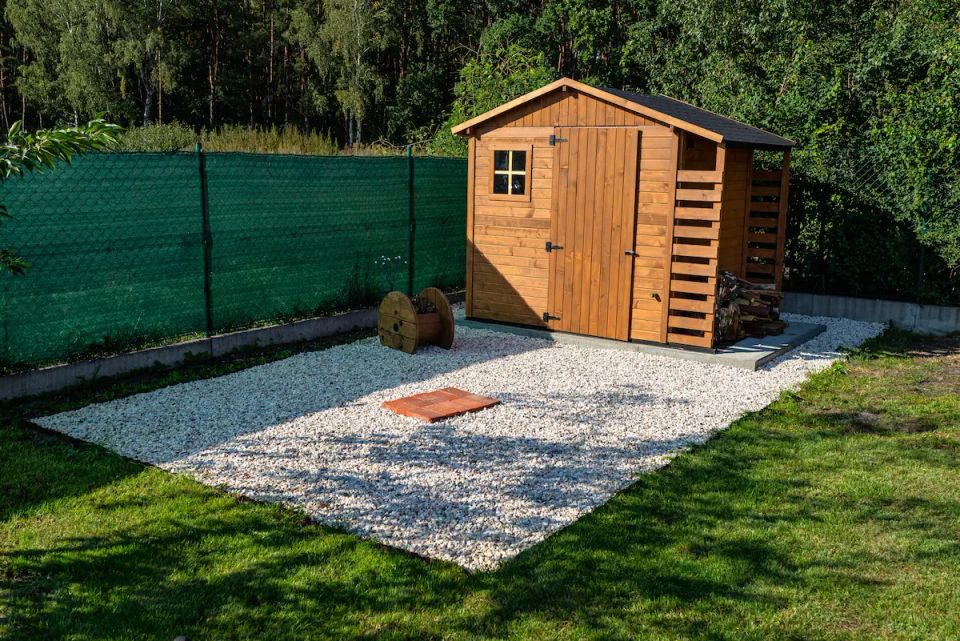
The installation process begins with leveling the ground and setting a stable foundation using concrete blocks or timber runners. Builders then construct the floor frame, erect the vertical walls, install structural roof rafters, and apply weather-resistant siding, shingles, and lockable doors to complete the secure storage envelope.
A solid level foundation is critical to prevent the frame from shifting over time. Smaller structures usually sit on pressure-treated timber skids supported by compacted gravel beds or heavy concrete blocks, which elevates the floor frame away from ground moisture and allows proper airflow beneath the subfloor.
Ensuring weather resistance involves using interlocking exterior siding panels, high-quality roofing underlayment, and standard exterior shingles to divert rain away from the interior frame. Anchoring the foundation frame securely into the ground limits movement and helps the structure stay stable during high local winds.
Common sizes for residential properties include standard layouts like eight-by-ten, ten-by-twelve, or twelve-by-sixteen feet. The proper footprint depends on your storage goals, yard scale, and neighborhood spacing rules, providing enough interior headroom and wall space to comfortably organize tools and gear.
Yes, storage buildings can incorporate functional features to match specific property needs. Adding heavy-duty entry ramps allows easy access for rolling lawnmowers or heavy equipment, while installing functional windows improves natural interior lighting and ventilation for property owners using the space as a workshop.