PVC Deck Installation Virginia Beach
Build a highly durable, moisture-proof outdoor living space with a premium PVC deck.
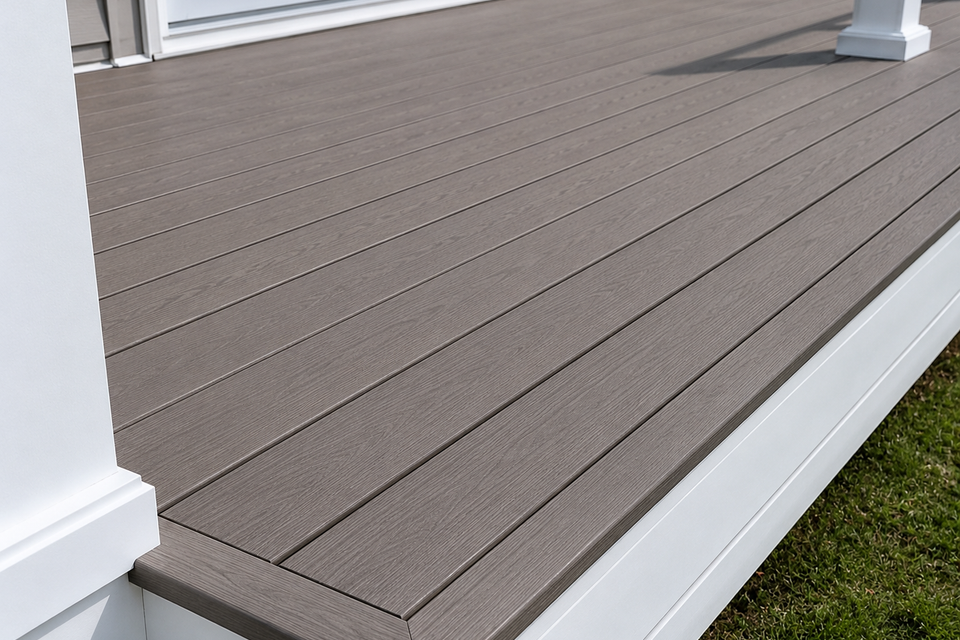
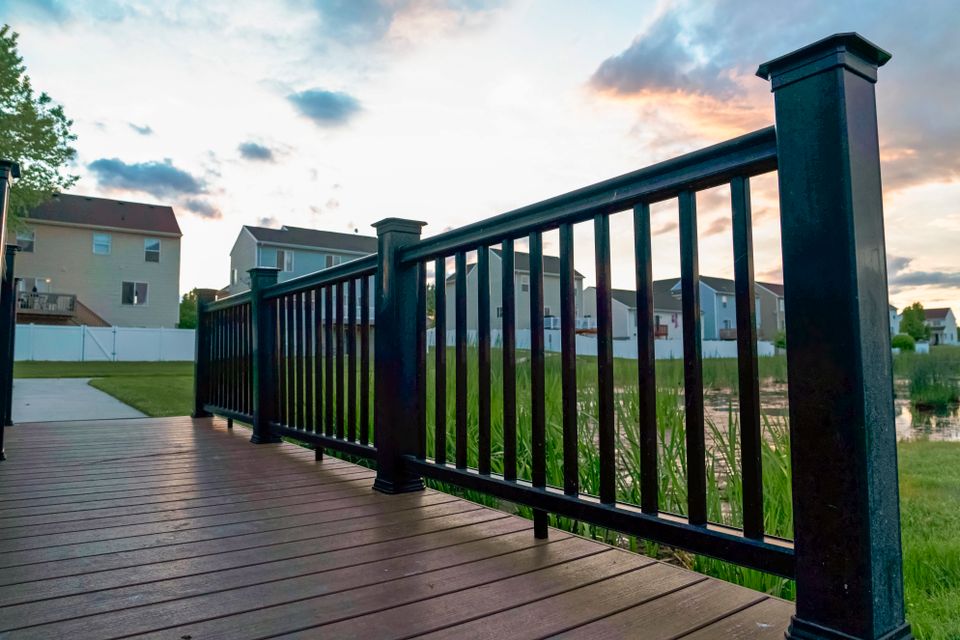
The installation process involves digging concrete footings, setting heavy wood support posts, and building a rigid framing matrix with joists. Installers then lay down cellular polymer PVC surface planks using hidden fasteners or color-matched plugs, finish the perimeter trim, and install required safety handrails and stairways.
Moisture has virtually no structural effect on this type of decking material. Because cellular PVC contains absolutely no organic wood byproduct or organic material, the boards cannot absorb water, warp from humidity, rot from rain exposure, or foster deep mold growth, making it ideal for poolside and waterfront properties.
Composite decking contains a blend of recycled wood fibers and plastics, whereas PVC decking is manufactured from 100 percent synthetic polymer plastic. This lack of organic wood makes PVC entirely immune to moisture decay, lighter in weight, and more resistant to superficial surface scratches and fading over time.
No, a PVC deck will never split, splinter, flake, or crack like natural wood surfaces. The solid polymer composition ensures the planks remain entirely smooth and comfortable for bare feet or pets, completely eliminating the risk of physical splinters and the need for sanding or resurfacing.
Routine cleaning is simple and straightforward for property owners. You can easily wash away standard outdoor dust, leaf stains, and surface mud using a standard garden hose mixed with a mild household soap and a soft-bristled scrub brush. Rinsing thoroughly keeps the polymer surface looking bright and new.