Pergola & Gazebo Installation Virginia Beach
Create a relaxing, shaded backyard retreat with a custom pergola or gazebo.
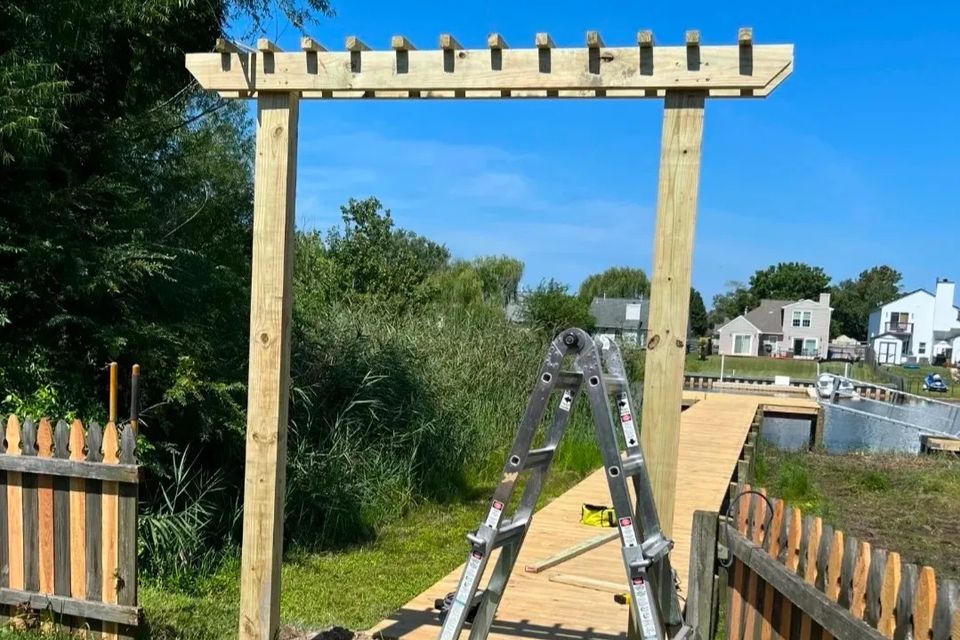
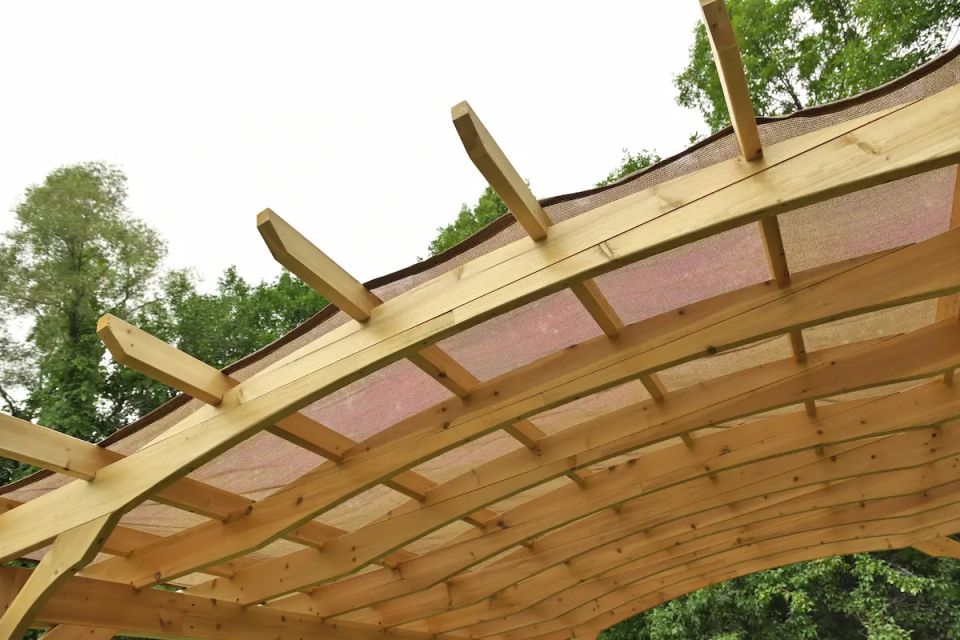
The installation process involves leveling the assembly zone, digging holes for heavy structural support posts, and securing them deep in concrete. Builders then assemble the overhead beam network, attach the cross rafters or full roof layout, and secure the trim detailing to ensure a square, sturdy, and level shade structure.
A pergola features an open-grid slatted roof designed to filter direct sunlight while allowing continuous upward airflow across a patio. A gazebo is constructed with a solid, fully closed roof structure and typically features an elevated floor pad, providing complete overhead protection from rainfall and direct afternoon sun exposure.
Yes, these structures can be successfully anchored onto stable concrete slabs or existing wooden deck frames. Installers use specialized heavy-duty steel mounting brackets and masonry fasteners to secure the vertical timber posts directly to the pad, ensuring the heavy frame remains perfectly stable during strong local wind storms.
Maintaining a timber structure involves washing the surfaces annually with mild soap and water to clear away environmental dust, cobwebs, or bird droppings. Applying a fresh coat of protective water repellent sealer or exterior timber stain every few years shields the wood fibers from splitting or graying due to weather exposure.
No, shade structures can be customized to match the unique scale of your property. Standard residential footprints range from small ten-by-ten open structures up to expansive entertainment pavilions, allowing property owners to maximize their available seating zones without overcrowding the surrounding lawn or garden landscape.