Vinyl Fence Installation Virginia Beach
Secure your property with a beautiful, low-maintenance privacy fence.
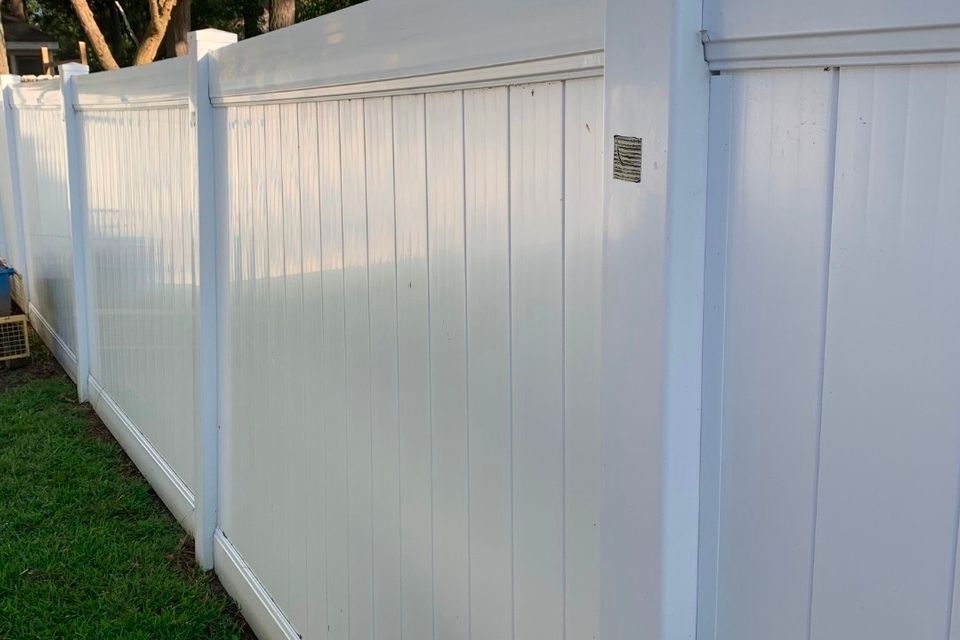
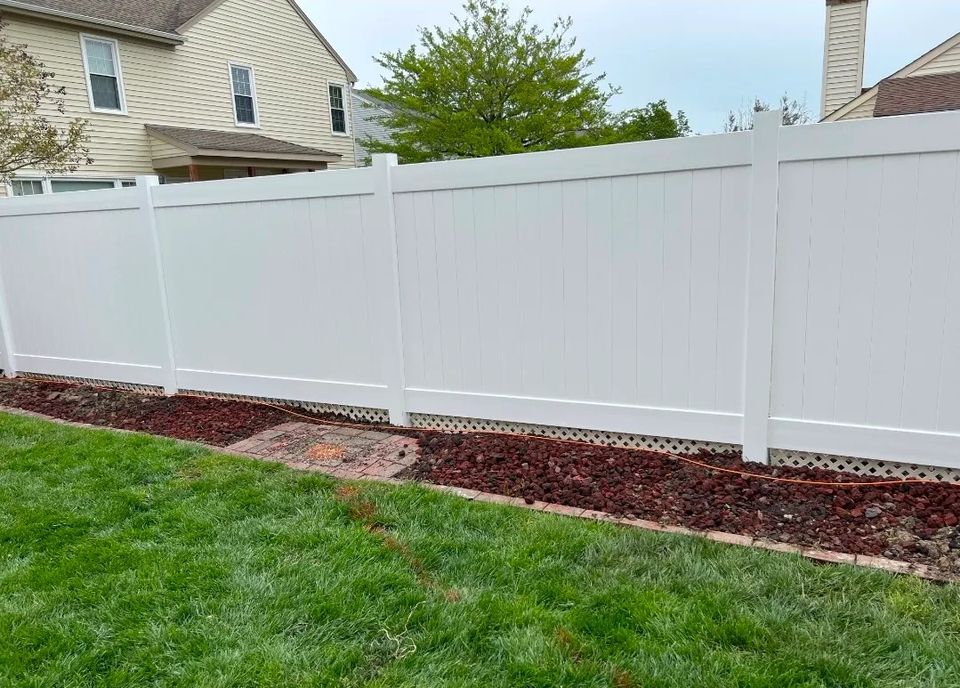
The installation process involves marking the property lines, digging post holes below the frost line, setting the vinyl posts securely in concrete, and sliding the interlocking privacy panels into place. Professional installers ensure the entire boundary line is straight, level, and properly balanced for long-term stability.
Vinyl fencing requires very little routine upkeep compared to traditional wood options. It does not need to be sanded, painted, stained, or treated with chemical sealants. Property owners typically only need to wash the surface occasionally with plain water and soap to remove normal outdoor dirt and grime.
No, a vinyl fence will not chip, peel, or blister because the color goes completely through the entire thickness of the material. This structural property eliminates the need for painting and ensures the surface remains clean and smooth through years of direct exposure to sunshine, rain, and outdoor moisture.
Residential yards typically use vinyl panels that stand four feet, five feet, or six feet tall. A six-foot solid panel layout is the standard choice for maximum backyard privacy and boundary containment, while shorter heights are often selected for front yards, swimming pools, or open decorative borders.
Most common outdoor stains, mud, and grass clippings can be rinsed away using a standard garden hose. For tougher spots like mold, mildew, or dark dirt buildup, scrubbing the panels gently with a soft cloth or sponge using a mild household detergent mixed with warm water will restore the original clean appearance.